
To create a community of excellence.
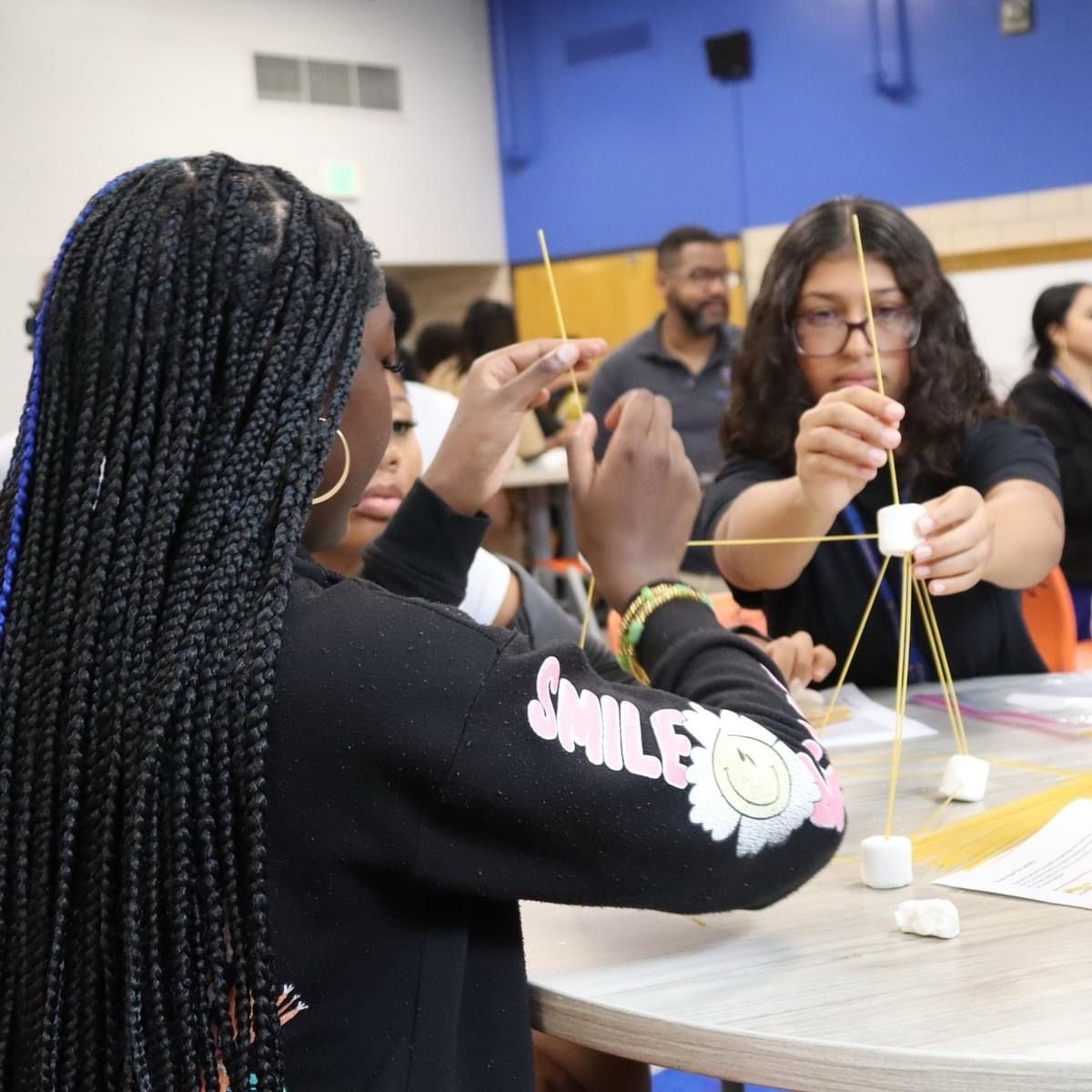
Robert F. Smith STEAM Academy provides a high-quality CTE and STEAM education to exceptional scholars from marginalized communities that results in college and career success. #FULLSTEAMahead
Our core values are the driving agent for continuous improvement and reflection in all that we do. Each member of our school community takes the PACT to accomplish whatever they endeavor.
Robert F. Smith STEAM Academy (RFSSA) has experienced a significant period of academic and organizational growth over the past several years. The school’s journey has centered on a simple premise: student achievement improves when strong relationships, high expectations, effective instruction, student belonging, and expanded opportunity work together.
A major early focus was addressing student attendance and engagement. RFSSA increased its overall attendance rate from approximately 79.52% to 85.67%, while also achieving a substantial reduction in chronic absenteeism.
The school received special recognition in 2024 and 2025 for reducing chronic absenteeism while simultaneously increasing overall attendance. This work was supported by a daily attendance-monitoring system, with the Student Support Liaison using attendance data to coordinate interventions among administrators, counselors, social workers, teachers, students, and families.
The philosophy was that students cannot fully benefit from instruction if they are not consistently present and connected to school.
RFSSA then strengthened its instructional systems through aggressive progress monitoring, real-time checks for understanding, targeted intervention, reteaching, and teacher coaching.
In mathematics, the school strategically used two educators in classrooms to increase the frequency of questioning, feedback, and checks for understanding. Student performance data was continuously monitored and reviewed weekly so teachers could make timely instructional adjustments.
A similar approach was implemented in literacy, with teachers tracking student development across argumentative, narrative, and persuasive writing.
These systems contributed to substantial academic gains, including approximately a 30% increase in SAT performance, as well as reported growth of 14 points in SAT mathematics and 17 points in English language arts.
An important part of the transformation has been the development of distributed instructional leadership.
Senior teacher leaders have served as coaches and evaluators while receiving coaching and development from the administrative team. RFSSA also created a peer learning observation structure, allowing teachers to voluntarily visit colleagues’ classrooms to study effective Tier 1 instructional practices.
The goal was not simply to evaluate instruction, but to create a culture where teachers learn from teachers and instructional excellence becomes collective rather than dependent on a small number of leaders.
RFSSA has also intentionally connected academic achievement with social-emotional learning, character development, cultural identity, and belonging.
The school’s HBCU-inspired model centers Black history, Black culture, leadership, and excellence while creating opportunities for students to see themselves and their communities reflected in their educational experience.
The school also developed relationships with more than 15 nonprofit and community organizations, expanding access to mentoring, college preparation, career exploration, enrichment, and other postsecondary opportunities.
The academic journey has increasingly moved beyond traditional measures of achievement toward college, career, and life readiness.
RFSSA has leveraged partnerships involving CTE, NAF, College Track Denver, Community College of Aurora, Emily Griffith, and other organizations to create additional pathways for students.
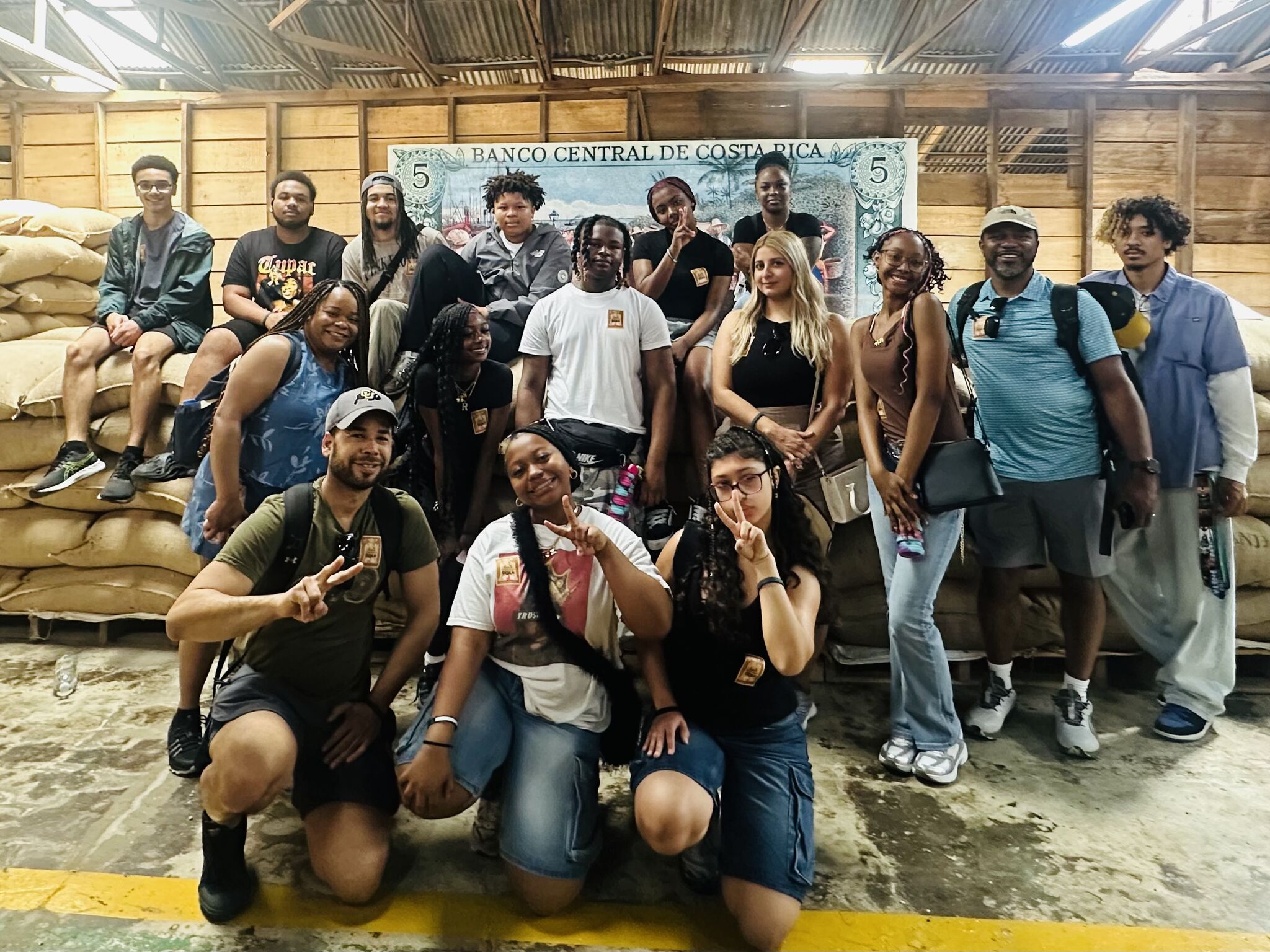
The school has also emphasized global citizenship and experiential learning, including opportunities for students to pursue international experiences. The planned Japan 2027 experience represents an extension of this philosophy: academic learning should expand students’ understanding of the world and their sense of what is possible.
These combined efforts have translated into significant external recognition.
RFSSA achieved a GREEN School Performance Framework rating, representing an important milestone in the school’s performance trajectory. Student SAT performance has also been reported as exceeding district and state averages in mathematics and reading.
Most recently, the school received the 2026 Distinguished Academic School Award from the State of Colorado, providing another external marker of its academic progress.